
The complete guide
How To Choose An Insect Figures Set That Actually Gets Played With
The problem with most bug toys
Walk down any toy aisle and you will find bugs. Most of them are flat, shiny and vaguely insect-shaped, with six legs tacked on and a colour scheme that belongs to no creature on earth. A child picks one up, turns it over, and puts it down again. There is nothing to look at.
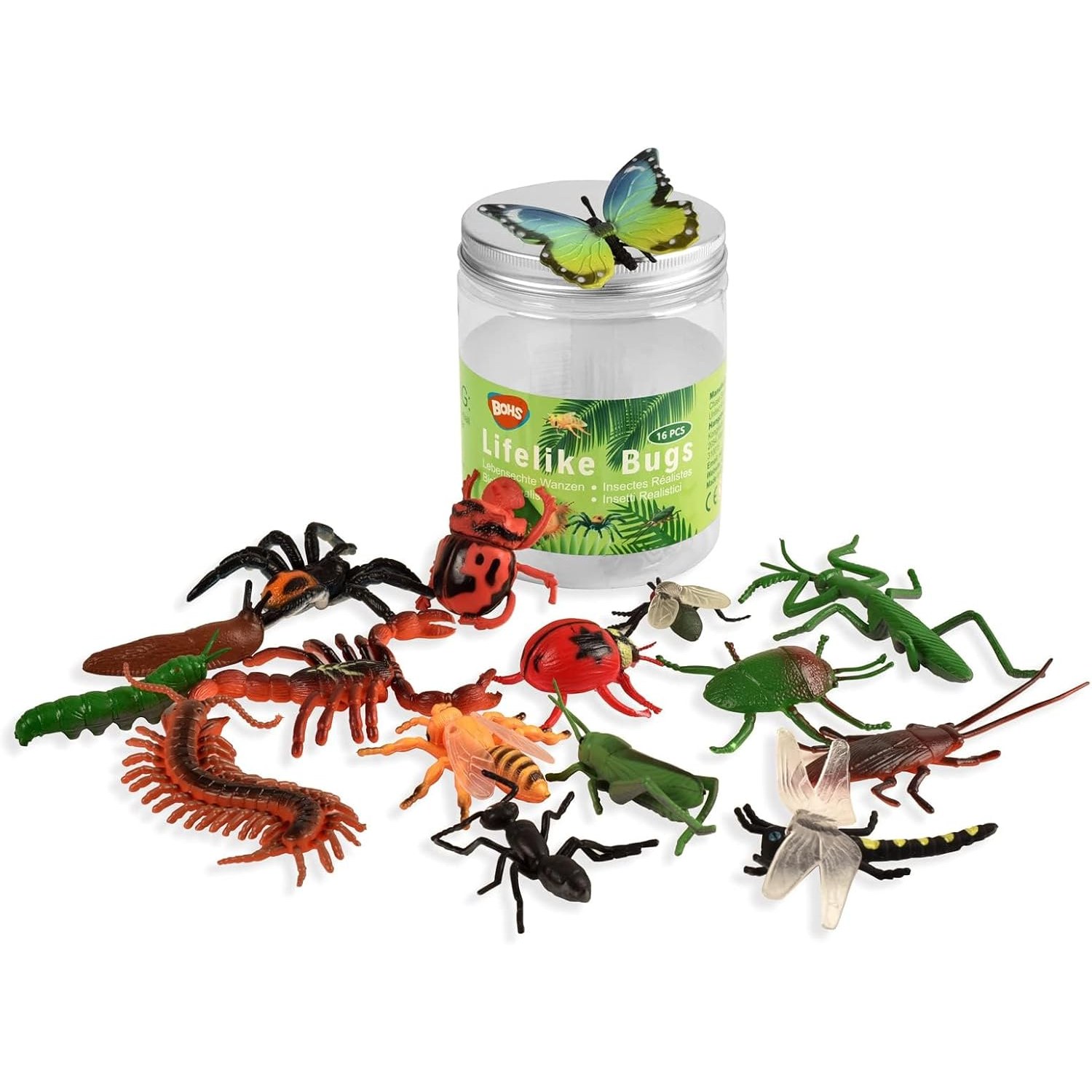
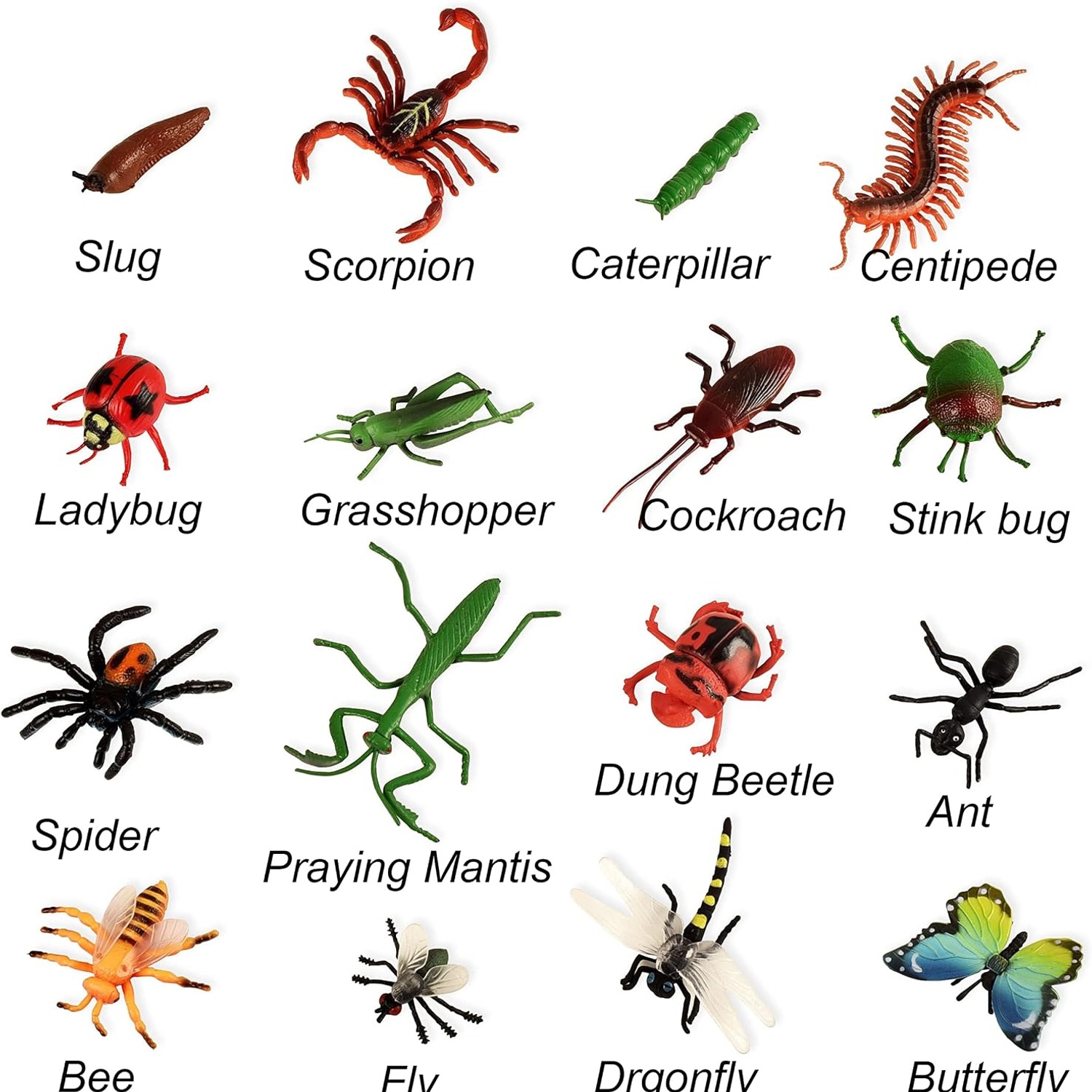
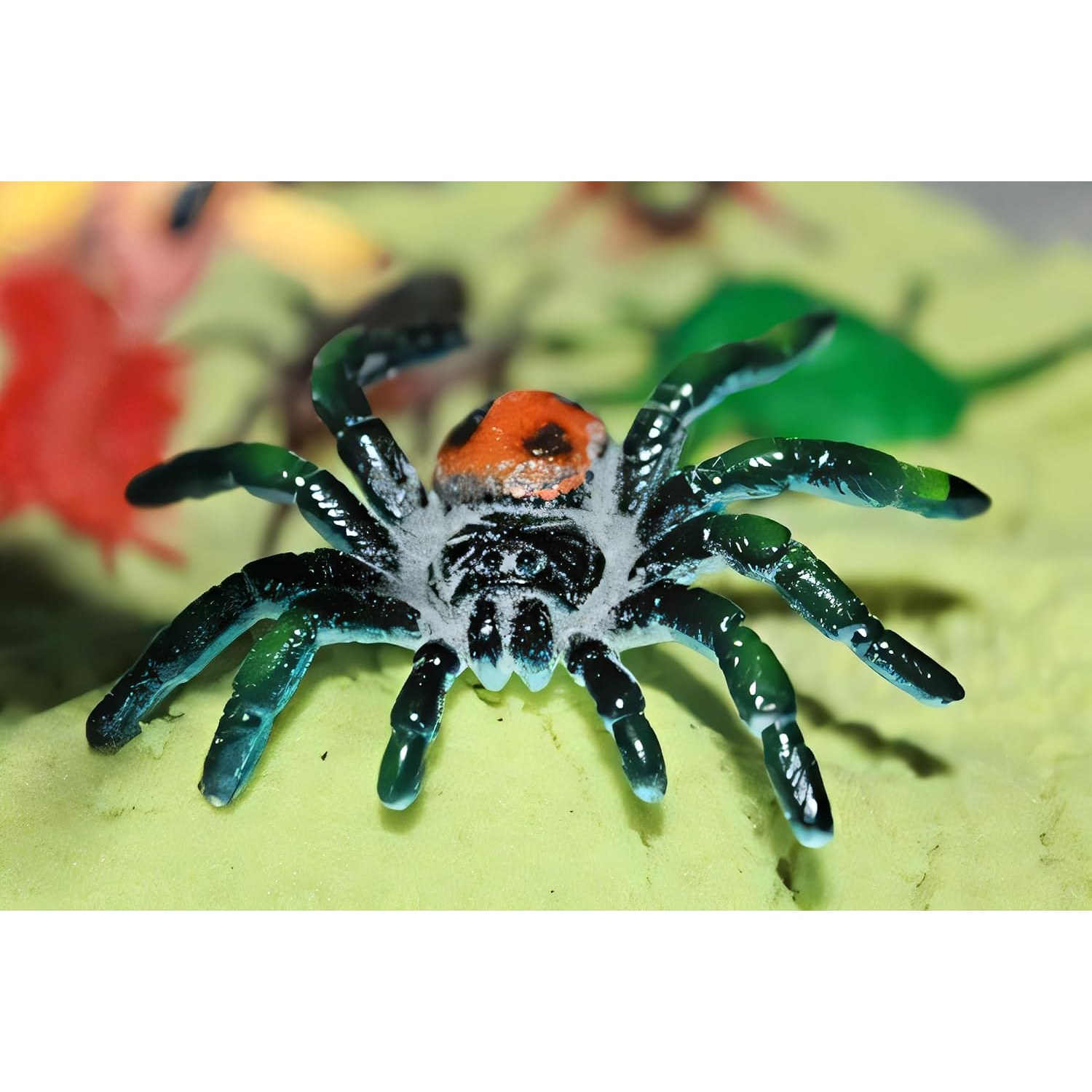
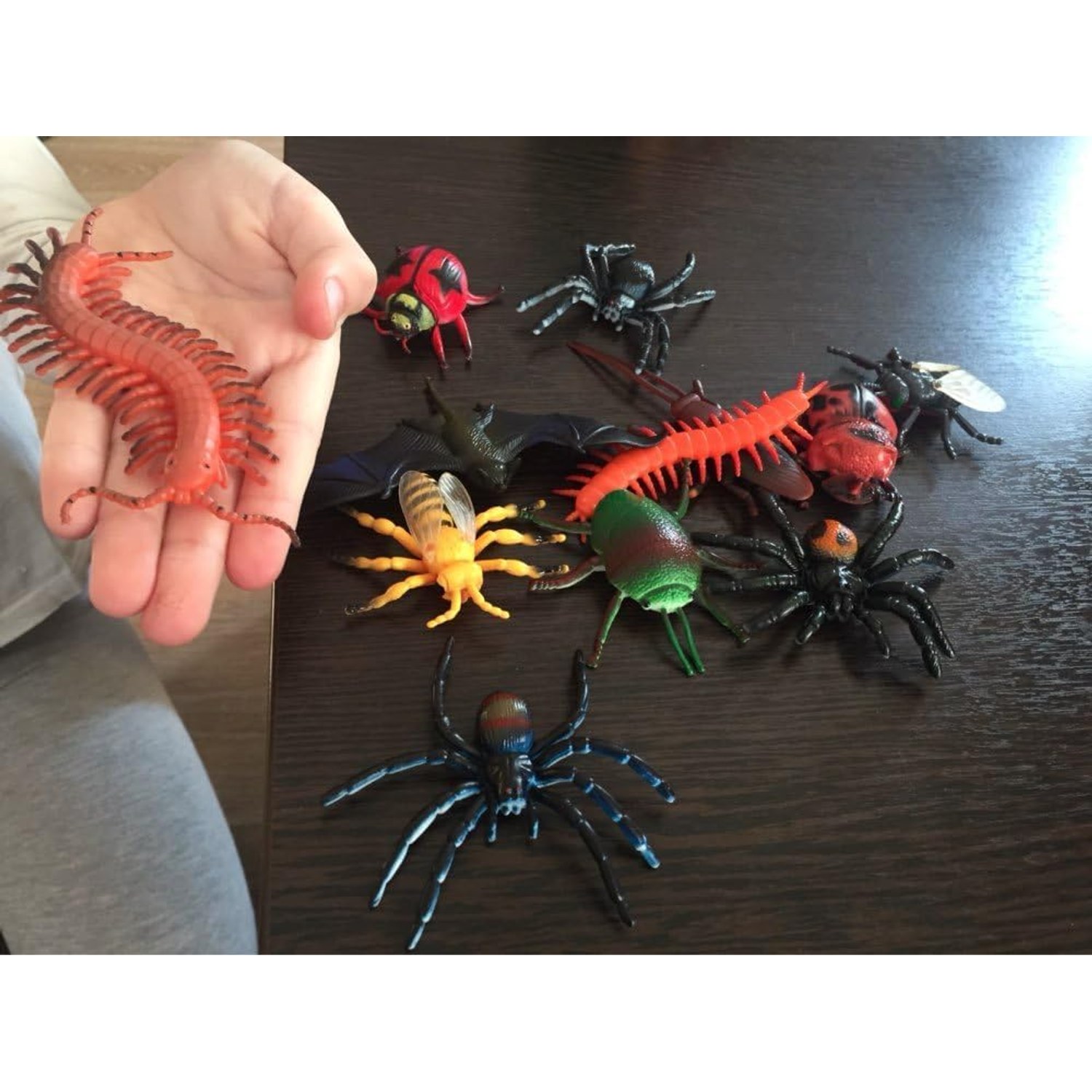
That is the gap this kind of set fills. Sixteen different insects, each moulded as its own thing, give a child a reason to keep looking. One has long back legs. One has a hard shell with a split down the middle. One has wings folded flat and one has them spread. Suddenly the toy box has a collection in it rather than a pile.
The difference is not cosmetic. Detail is what turns a toy into a conversation. A child who can see that two bugs are shaped differently will ask why, and that question is the whole point.
What this set actually is
This is a 16 piece insect figures set from BOHS, model XB-LB523. Every figure in the pack is a different insect, so there are no repeats to work around. The material is listed as rubber, the colour as multicolour, and the theme as animal with bug as the subject character.
The recommended age is 36 months and up, with the age range described as preschooler. Operation is manual. No batteries are needed, nothing has to be charged and nothing has to be assembled. The listed item dimensions are 24 x 16 x 1 cm, and the size is given as Piccolo.
The stated educational objective in the maker's details is knowledge of insects and stimulation of curiosity about the natural world. That is an honest description of what a set like this does. It is not a lesson plan. It is a box of bugs that makes questions happen.
Why rubber matters
Rubber behaves differently to hard plastic, and it is worth understanding the trade-off before you buy.
Hard plastic figures hold crisp edges and tend to be cheap to produce, but they can crack when stepped on and they have a cold, clattery feel. Rubber has a bit of give. It survives being dropped down the stairs. It feels more interesting in the hand, which matters more than most adults realise for a child who is still learning about the world through touch.
The give also helps with the prank side of things. A rubber beetle on a kitchen chair reads as real for the half second it needs to. A rigid plastic one with a visible seam does not. That is part of why realistic insect toys have stayed popular with older children long after they have moved on from other figures.
The trade-off is heat. Rubber does not love radiators, car dashboards in summer or long spells on a sunny windowsill. Keep the set in a box in a normal room and it will be fine for years.
Who it suits
The obvious buyer is a child who already likes bugs. If your three year old crouches over every ant on the pavement, this is an easy decision.
It also suits a few less obvious situations.
Preschool and early years settings get a lot out of a mixed insect set, because sorting, naming and matching are already built into the curriculum. Sixteen distinct figures give enough variety for a group activity without getting overwhelming. Teachers looking for the best preschool science toys that do not need power or setup tend to land on things like this.
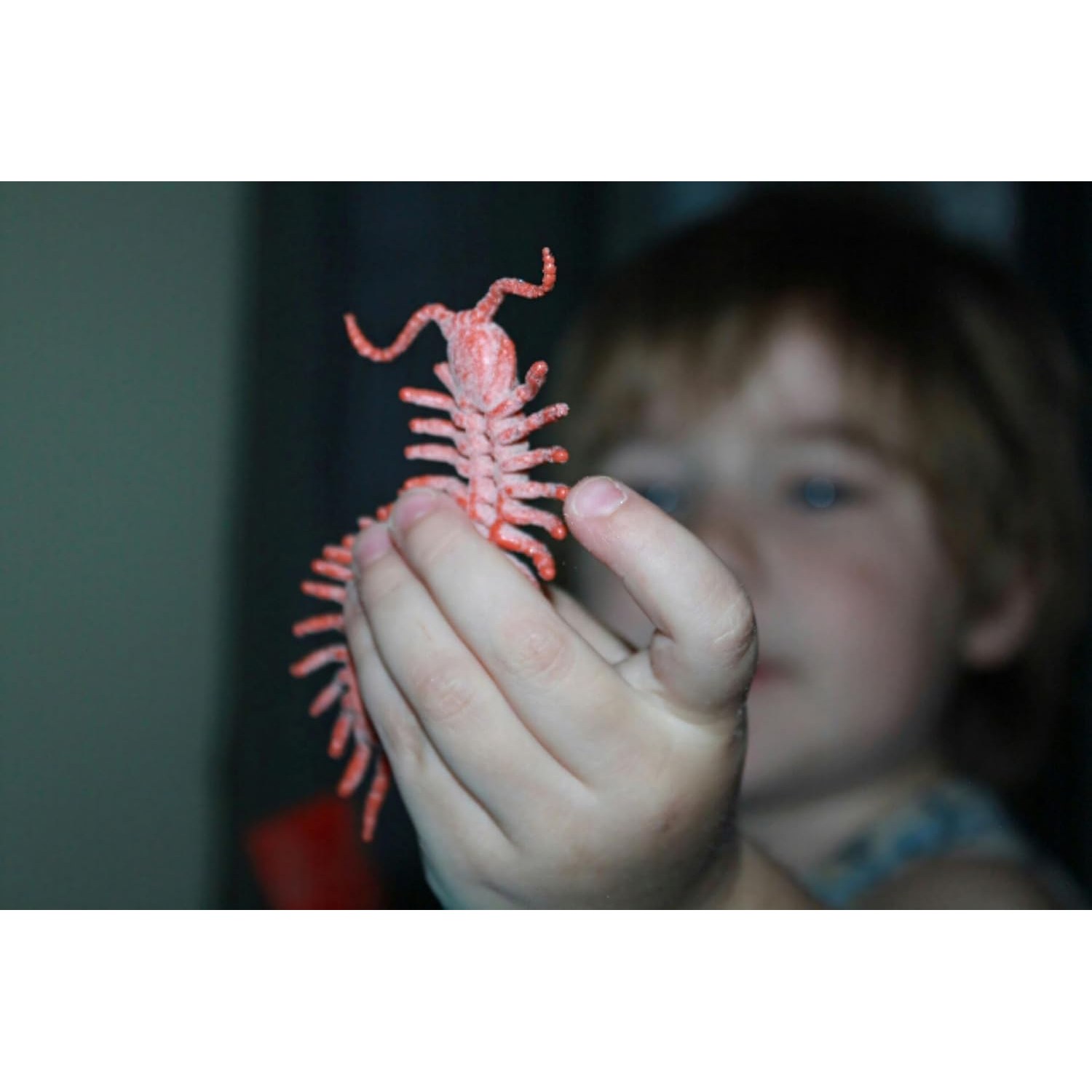
Parents of anxious children use realistic figures to take the edge off. Holding a bug you can put down is a much gentler introduction than meeting a live one unexpectedly. Some children go from flinching at a spider in the bath to confidently naming four kinds of beetle in a fortnight.
And then there are the pranksters. There is no polite way to put this. A good rubber bug toy set has a second life as a household trick, and older siblings will find it within about twenty minutes of the box being opened.
How to choose between sets
If you are comparing options, a few things separate the sets that get played with from the ones that end up at the bottom of the toy box.
Count the duplicates. Plenty of cheap packs pad out the number by giving you four identical ladybirds. A set where all sixteen pieces are different is genuinely more useful, because every sorting game and matching activity depends on variety.
Check the material. Rubber and soft TPE figures last longer under real play than thin hollow plastic. They also feel better, which sounds soft but drives whether a child keeps picking the toy up.
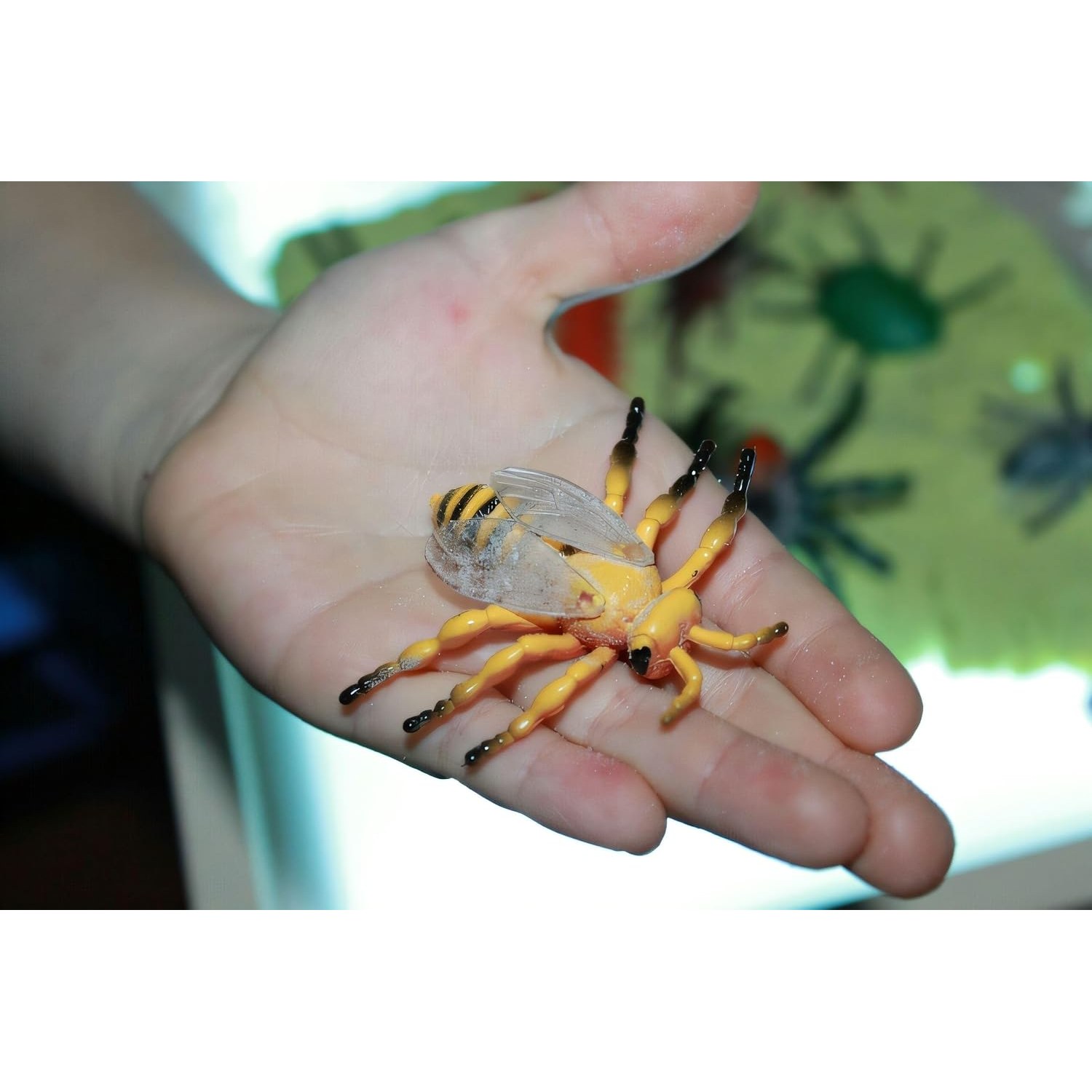
Look at the detail. Moulded legs, textured wing cases and visible body segments are what make a figure teachable. If the bugs are smooth blobs, the educational angle disappears.
Think about age. A set rated from 36 months is aimed at children who are past the mouthing stage. If you have a younger sibling in the house, plan where the set will live when it is not in use.
Finally, think about storage. Sixteen small pieces need somewhere to go. A tub, a zip bag or a small compartment tray saves you from finding a mantis in the vacuum cleaner.
Getting the most out of them
The best thing you can do with a set like this is leave it out somewhere a child can reach.
Sorting is the easiest starting point. Ask a child to put all the bugs with wings in one pile and all the ones without in another. Then switch the rule. Long legs, short legs. Hard shell, soft body. Each new rule makes them look again, and looking again is where the learning happens.
Sensory bins are the other natural fit. Bury the figures in dried rice, lentils or clean sand and let a child dig them out. Add a small sieve and a tray and you have an hour of play with almost no setup. These are among the best nature play toys for that kind of open-ended digging because they handle grit and rinse clean.
Small world scenes work well too. Mix the bugs in with blocks, toy plants, a bit of real moss and some bark from the garden. Children who are too old for simple sorting will happily build a whole insect world and narrate it.
Outdoors, take the set to the garden and play matching games. Find a real woodlouse, then find the figure that looks most like it. That connection between the toy and the living thing is the one that sticks.
Care and keeping the set complete
Cleaning is simple. A damp cloth with a little mild soap handles most mess. For sand or soil, rinse under the tap first to shift the grit, then wipe. Dry the figures fully before they go back in storage so moisture does not sit in the moulded details.
Skip the dishwasher. Heat and rubber are not friends, and a cycle that leaves plates sparkling can leave a beetle slightly warped.
For storage, anything with a lid works. The real risk with any multi-piece toy is attrition, one bug at a time, until you are down to nine. A quick count at pack-up time solves that. Children are usually happy to do the counting themselves, which sneaks in a bit of maths at the end of play.
Keep the box out of direct sun and away from heat sources. Rubber holds its shape and colour well in normal room conditions.
The short version
This is a straightforward, well-judged toy. Sixteen rubber insect figures, all different, recommended from three years, with no batteries and no assembly. The listed educational objective is building knowledge of insects and curiosity about the natural world, and a set like this does that mainly by being interesting enough to pick up.
It suits curious preschoolers, classroom nature corners, sensory bins, small world scenes, party bags and the occasional well-aimed prank. It cleans with a cloth, stores flat and does not need anything plugged in.
If you want a toy bug set that will still be in use in two years, pick one where every piece is different and the moulding is good enough to teach from. That is what you are getting here.