Toy Warehouse
Company
Shop By Category
T&Cs
Shop Online
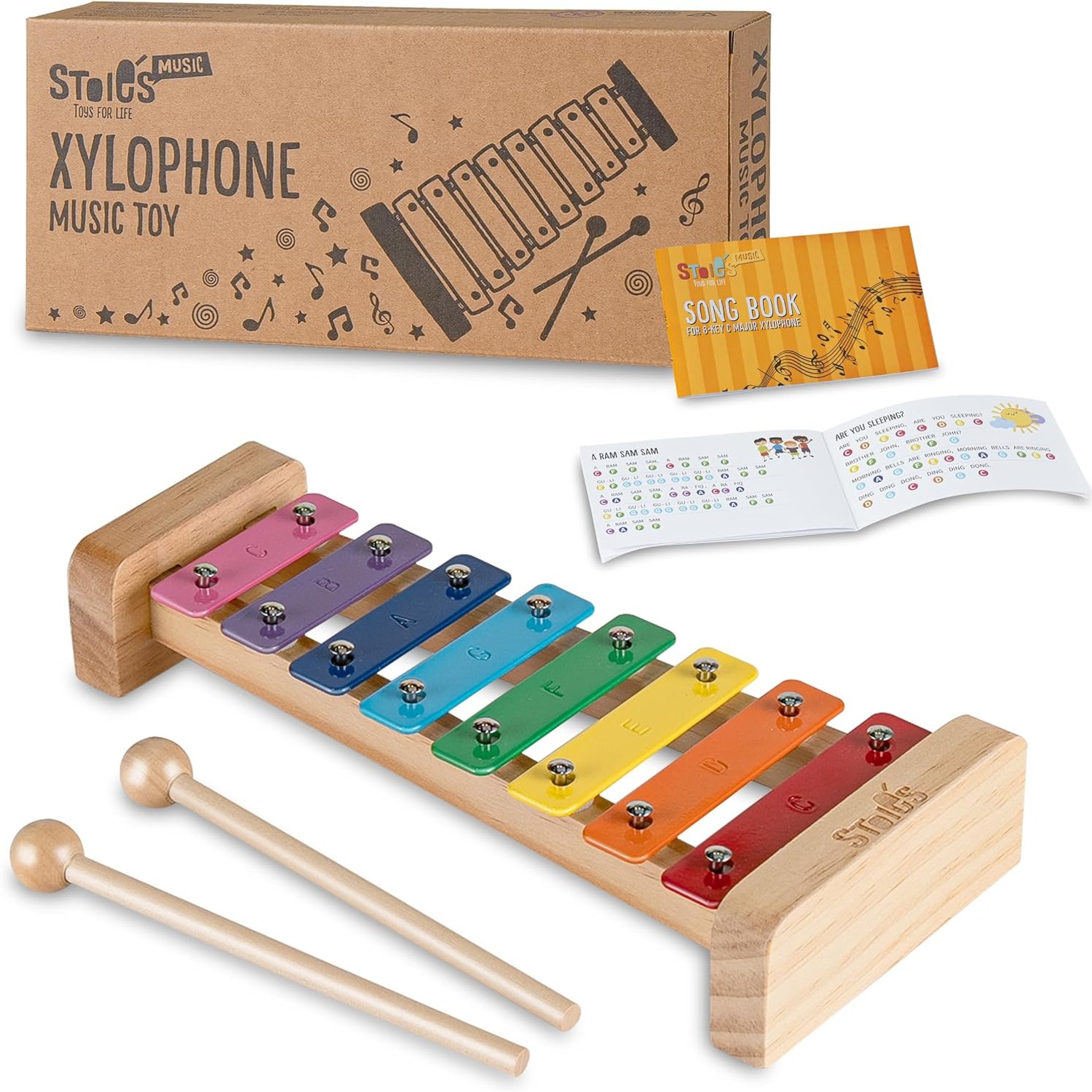
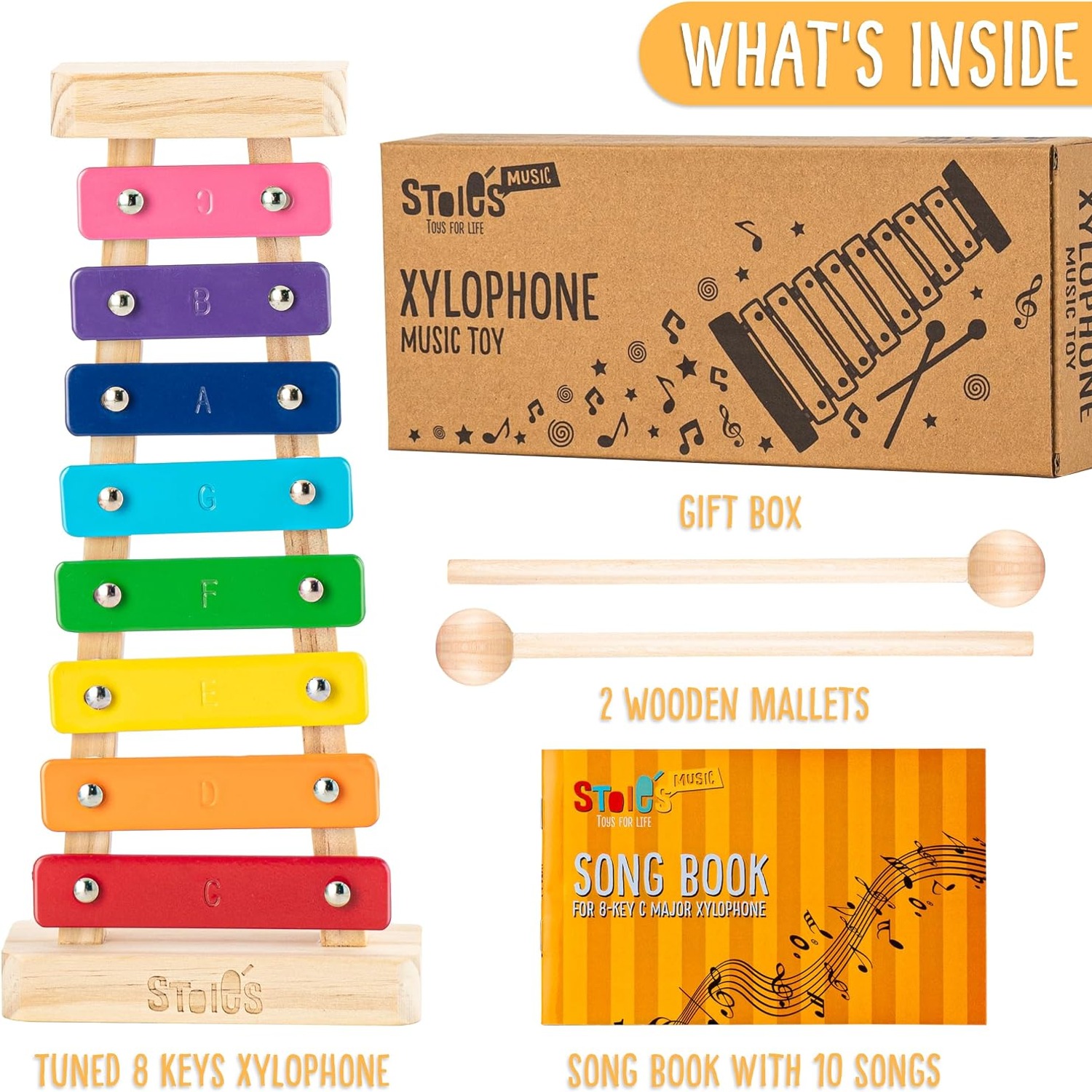
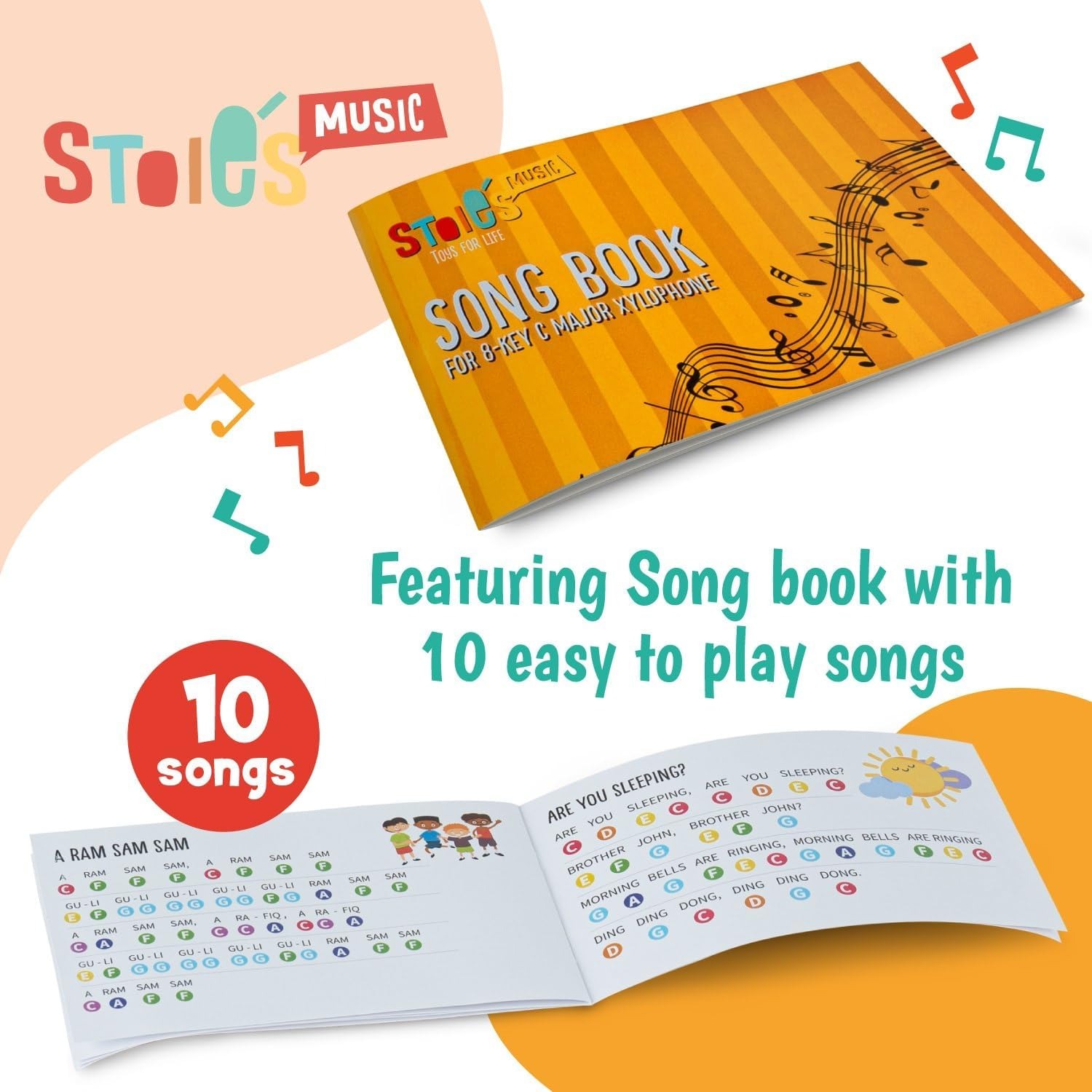
  • Box contents listed
  • Free tracked delivery across Ireland over €90
  • 14-day returns

Rainbow Xylophone 8 Note | Wooden xylophone for kids | Kids glockenspiel

Rainbow 8-Note Wooden Xylophone for Kids

€53.99
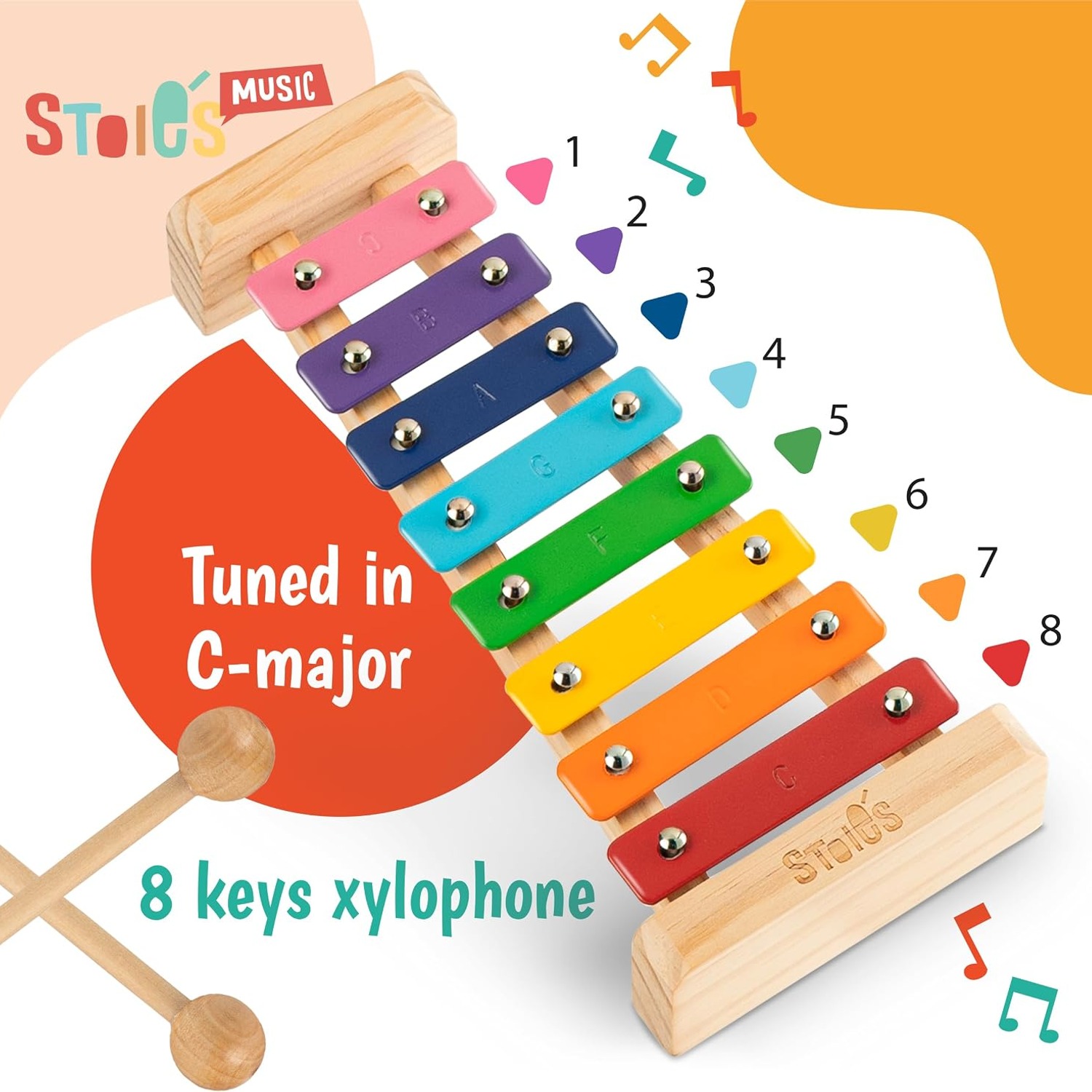
  • Eight Colour Keys
  • Wooden Build
  • Two Beaters Included
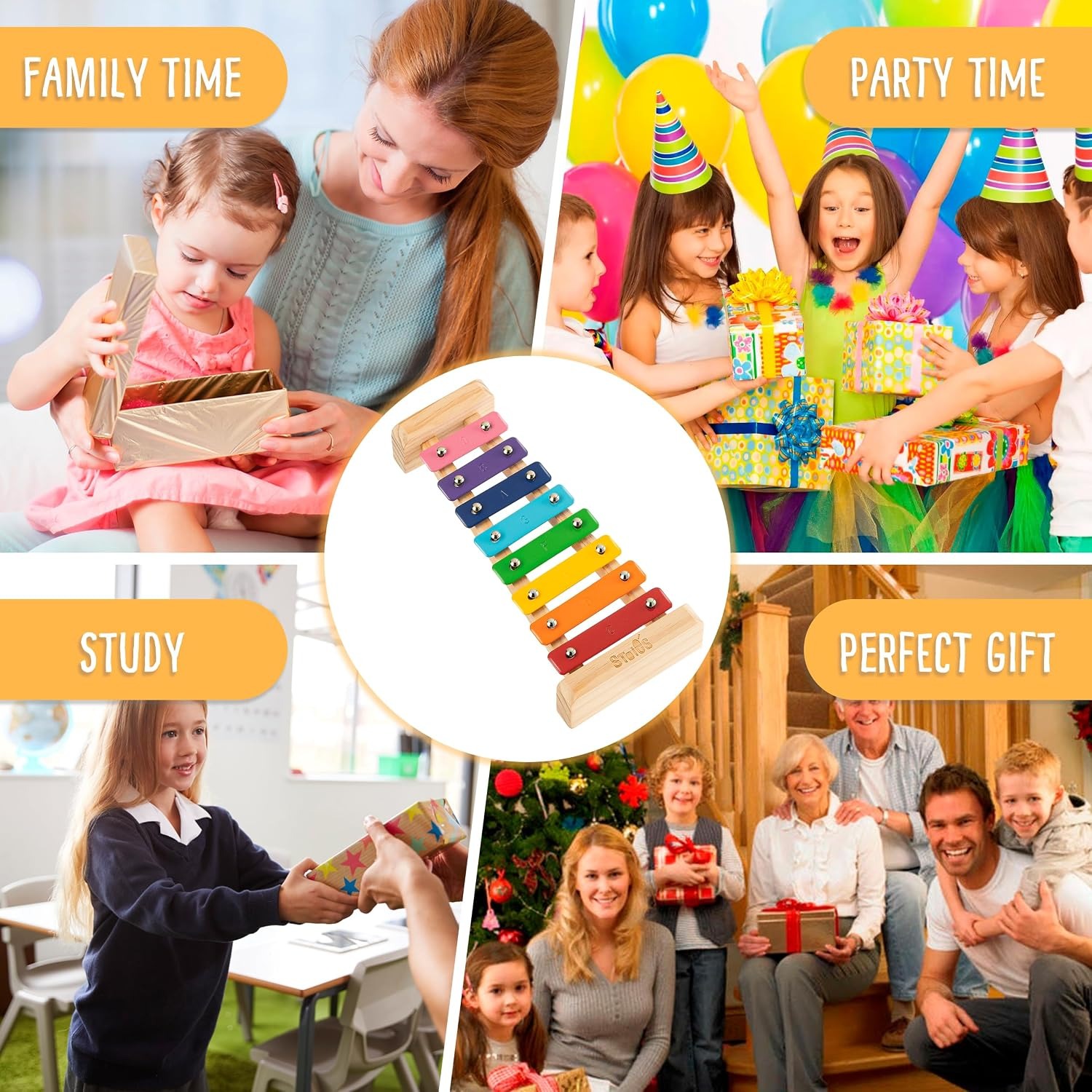
  • Ready To Gift

Price: €53.99

  • Free tracked delivery across Ireland on orders €90+, otherwise a flat €12
  • Pay by card or PayPal, handled by the payment provider
  • 14 days to change your mind, plus your statutory rights
Product specifications
BrandStoie's
InstrumentXylophone
Number of Keys8
ColourRainbow
ThemeRainbow
MaterialWood
Item Dimensions25 x 12 x 5 cm
Item Weight0.2 kg
SizeMini
Manufacturer Recommended Age3 years and up
Number of Items1
Power SourceManual
Assembly RequiredNo
Model NumberSX-0002
Manufacturer Part NumberSX-0002
ManufacturerNanchang Wanhua Industry Co., Ltd
Weight0.2 kg
Shipping & returns

Tracked delivery anywhere in Ireland. It is free on orders of €90 or more, and a flat €12 below that.

Under the Consumer Rights Act 2022 you have 14 days from delivery to cancel for any reason, and a further 14 days to send it back in resaleable condition. We refund the price you paid, including standard delivery. You cover the cost of returning it unless the item is faulty.

If it arrives faulty, damaged or not as described, we put it right at no cost to you under the Consumer Rights Act 2022 and the EU Sale of Goods Directive 2019/771, return postage included.

Shipping details · Refunds and returns

Eight Colour KeysEach note has its own colour, so matching a song is simple.
Wooden BuildMade of wood with a compact 25 cm frame that sits flat on a table or floor.
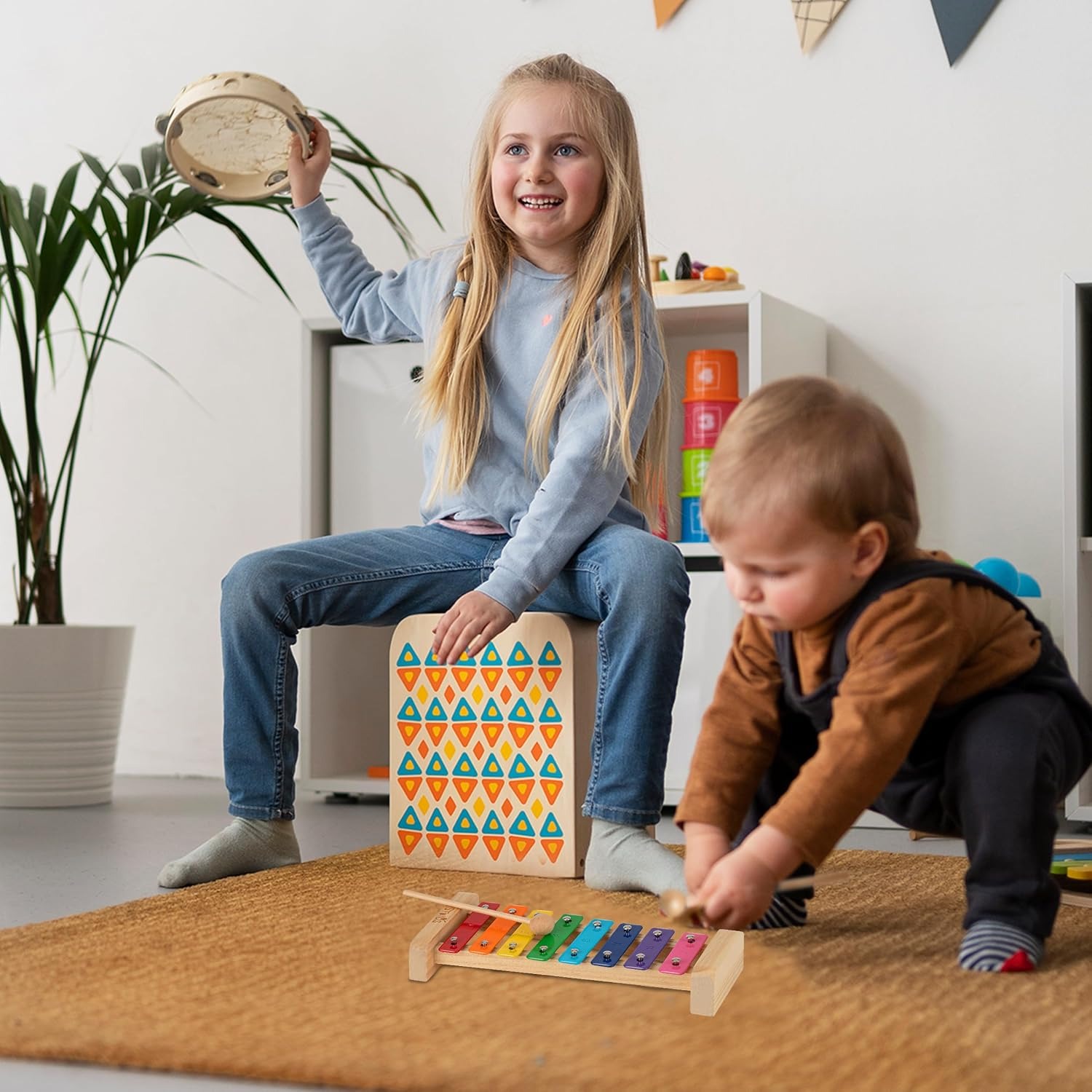
Two Beaters IncludedA second beater means a parent, sibling or friend can play along.
Ready To GiftLight at 0.2 kg, no assembly needed, and playable the moment the box opens.

A rainbow xylophone 8 note set that turns a quiet afternoon into a first concert.

Eight colour-coded wooden keys, two beaters and a compact 25 x 12 x 5 cm frame make it easy for small hands to find a note, hold a rhythm and play something that actually sounds like a tune.

Eight colour-coded keys give children a clear visual map of the notes, which makes a first tune far less guesswork and far more fun.

The wooden frame measures 25 x 12 x 5 cm, small enough for a lap or a low table but big enough that small hands can aim at a key and hit it.

Two beaters come in the box, so playing together is built in rather than an afterthought.

At just 0.2 kg with no assembly required, it goes straight from wrapping paper to playing, and it travels well in a bag.

Recommended by the manufacturer for ages 3 years and up, which makes it a sensible choice as a first proper instrument rather than a noisy novelty.

Rainbow 8-Note Wooden Xylophone for Kids

There is a moment, usually around age three, when banging on things stops being random and starts being deliberate. A child hits a key, hears a note, and hits it again to check that it does the same thing twice. That is the beginning of music, and a simple 8-note xylophone is one of the easiest ways to meet a child at that exact point. This one has eight wooden keys in rainbow colours, two beaters, and nothing else to work out.

Rainbow 8-Note Wooden Xylophone for Kids

The colour coding does more work than it looks like it does. Written music is abstract to a small child, but colour is not. Point at the red key, then the orange one, and a three-year-old can follow. Over time that turns into pattern recognition, then into memory, then into playing a short melody without being told which key comes next. It is a gentle on-ramp, and it does not need a parent who reads music to be useful.

Rainbow 8-Note Wooden Xylophone for Kids

Physically it is a small thing. The frame is 25 cm long, 12 cm wide and 5 cm tall, and the whole instrument weighs 0.2 kg. That matters more than it sounds. A heavy instrument gets left in one room. This one gets carried to the kitchen table, to a grandparent's house, to a classroom corner, to a car boot before a long drive. It arrives ready to play, with no assembly and no batteries, because the power source is a child with a beater.

Rainbow 8-Note Wooden Xylophone for Kids

Two beaters is a deliberate detail. One beater is a solo toy. Two beaters is a duet, a call and response game, a turn-taking exercise, a way for an older sibling to show a younger one how a scale works. It is also handy for the obvious reason that one of them will go missing under the sofa at some stage, and the music does not have to stop while you look for it.

Rainbow 8-Note Wooden Xylophone for Kids

Stoie's lists this under model number SX-0002, made by Nanchang Wanhua Industry Co., Ltd, with a manufacturer age recommendation of 3 years and up. Beyond the facts listed in the specifications here, we do not make claims about finishes, tuning tolerances or certifications that are not stated by the maker.

Not sure yet? That is fine.

A toy has to suit the child it is for, and you cannot always judge that from a photograph. Under the Consumer Rights Act 2022 you have 14 days from delivery to cancel for any reason, and a further 14 days to send it back in resaleable condition. We refund the price you paid, including standard delivery.

If it turns up faulty, damaged or not as described, that is on us. The Consumer Rights Act 2022 and the EU Sale of Goods Directive 2019/771 covers you, and we pay the return postage. Read the full detail on our refunds and returns page, or ask us anything before you order.

Frequently Asked Questions

What exactly is this product?

It is a mini wooden xylophone with eight colour-coded keys, made by Stoie's under model number SX-0002. It is a manual instrument, so there are no batteries or electronics. A child strikes a key with a beater and the key sounds a note.

How many notes does it have?

Eight. That is enough for a full run of notes in one octave, which covers a surprising number of simple children's songs. For a first instrument, eight keys is usually the sweet spot between too few notes to be interesting and too many to be confusing.

What age is it suitable for?

The manufacturer recommends 3 years and up, and the age range description is listed as preschooler. Younger children can enjoy the sound with an adult holding the beater, but the official guidance is the one to follow. Older children up to primary school age still get plenty out of it.

What is it made of?

The material is listed as wood. The maker does not specify the exact species of timber or the type of finish used, so we do not state those details. The keys are the coloured parts and the frame holds them in place.

How big is it?

It measures 25 cm long, 12 cm wide and 5 cm tall. That is small enough to sit on a lap, a child's table or a shelf, and it fits easily in a day bag. It is described as mini size by the manufacturer.

How much does it weigh?

0.2 kg. It is genuinely light, which is part of why it works well as a travel toy or a classroom item that gets moved around a lot.

Does it come with beaters?

Yes, beaters are part of the set so the instrument is playable straight out of the box. Having a spare also means a second person can join in, which is how most children first learn to take turns with an instrument.

Does it need batteries?

No. The power source is listed as manual. Nothing switches on, nothing runs out, and nothing needs charging before a birthday party.

Does it need assembly?

No. Assembly required is listed as "No", so it arrives built and ready to play. That is handy if you are wrapping it as a gift the night before.

Is this the best first musical instrument for kids?

It is a strong candidate, because it gives immediate feedback with almost no skill required. A child strikes a key, hears a clear note, and understands the cause and effect instantly. That early success is what keeps a child coming back to an instrument.

What is the difference between a xylophone and a glockenspiel?

Traditionally a xylophone has wooden bars and a glockenspiel has metal bars, which gives the glockenspiel a brighter, more bell-like ring. Many kids' instruments are sold under both names. This one is listed as a xylophone and the material is listed as wood.

Why are the keys different colours?

Colour gives young children a way to identify notes before they can read music. Instead of saying "play the fourth note", you can say "play the green one". It turns an abstract idea into something a three-year-old can act on.

Can it help with learning to read music later?

Indirectly, yes. Children who learn that notes sit in an order, and that moving up the keys raises the pitch, arrive at written music with that groundwork already done. It will not teach notation on its own, but it builds the right instincts.

Is it loud?

It makes a clear, carrying note, as any struck instrument does. It is nowhere near as loud as an electronic toy with a speaker, and the volume depends on how hard the child hits it. Most parents find it much easier to live with than battery toys.

Can two children play at once?

Yes, and that is one of the nicer things about the set. With two beaters, one child can play a note and the other can copy it, which is a simple and very effective listening game.

Is it good for classrooms or playgroups?

It suits that setting well. It is light, needs no setup, has nothing to lose except the beaters, and the colour coding lets a teacher direct a whole group without naming notes. Many people looking for the best preschool percussion instrument land on an 8-note xylophone for those reasons.

Can adults play it too?

Of course. Plenty of parents find themselves working out a tune on it after bedtime. With eight keys you can manage most nursery rhymes and quite a few pop choruses.

How do I clean it?

Wipe the keys and frame with a slightly damp cloth, then dry it right away. Avoid soaking it and never put it in a dishwasher, since wood and standing water are a poor match.

How should I store it?

Keep it somewhere dry and out of direct sunlight, away from radiators and damp. Store the beaters with the instrument, ideally in the same box or basket, so they do not wander off.

Will the wood warp over time?

Wood responds to heat and moisture, so the main thing is to keep it indoors and away from direct heat sources. Treated sensibly, a small wooden instrument like this lasts through more than one child.

What happens if a beater gets lost?

Because two come in the set, play can continue while you hunt for the missing one. Beaters tend to turn up under sofas and in toy boxes. A wooden spoon is a passable stand-in for a day or two.

Is it suitable for a preschooler?

Follow the manufacturer's recommendation of 3 years and up, and supervise young children with the beaters, as you would with any stick-shaped object. Our record does not list specific safety certifications, so we do not claim any beyond the stated age guidance.

Does it come tuned?

It arrives ready to play, with the keys fitted in order. The maker does not list specific tuning tolerances, so we do not quote figures on pitch accuracy.

Can I buy replacement keys?

Replacement parts are not listed by the maker. If something arrives damaged in transit, contact us and we will sort it out rather than send you looking for spares.

Does it make a good birthday or Christmas gift?

It does very well as a gift. It is light to post, needs no assembly, works straight away, and it is the sort of present that gets used rather than admired. Many shoppers searching for the best music gift for preschoolers are after exactly this kind of thing.

Can I have it sent directly to someone else?

Yes, you can enter a different delivery address at checkout. If you would like it sent as a gift, add a note with your order and we will leave pricing paperwork out of the parcel.

How long does delivery take?

Delivery is by tracked courier to any address in the Republic of Ireland. Allow 4 to 8 working days from the order date, and a little longer for rural addresses and the islands. Orders of €90 or more are delivered free, and smaller orders pay a flat €12.

Does it travel well?

It does. At 0.2 kg and 25 cm long it slips into a changing bag, a backpack or a suitcase corner, which is why it often comes up when people look for the best travel size xylophone for small children.

What is your returns policy?

You have 14 days from delivery to return it for a change of mind, provided it is unused, complete and in its original packaging. Return postage is yours to pay. If it arrives faulty or damaged, tell us and we will put it right at no cost to you.

What if it is not right when it arrives?

Get in touch and tell us what the problem is. If it arrived damaged, is missing a beater, or simply is not what you expected, we will arrange a replacement or a refund. You do not need to argue your case with us.

Choosing a First Xylophone for a Young Child

6 min read Toy Warehouse

The problem with most first instruments

Buying a child their first instrument is oddly stressful. Spend too little and you get a plastic thing with a speaker that plays the same four bars until someone hides it. Spend too much and you get a scaled-down adult instrument that needs tuning, lessons and a parent who already plays. Neither one does the job you actually wanted, which is to let a child discover that they can make a sound on purpose and that the sound belongs to them.

A small wooden xylophone sits in the gap. It is a real instrument in the sense that it produces real notes in a real order, and it is a toy in the sense that nothing bad happens if a three-year-old drags it around the house. There is no learning curve to clear before the first satisfying moment. Pick up a beater, hit a key, and something musical happens.

How an 8-note xylophone works

The principle is simple. Each key is a bar of a particular length. Longer bars vibrate more slowly and give you lower notes, shorter bars vibrate faster and give you higher ones. That is why the keys step down in size from one end to the other, and why running a beater along them produces that familiar rising or falling run.

Eight keys covers one full set of notes from one point to the same point higher up. In practical terms, that is enough for most of the songs a young child already knows. Twinkle Twinkle, Happy Birthday, Frère Jacques, Mary Had a Little Lamb: all of them sit inside eight notes. A child does not need more range at the start. They need enough range to play something recognisable, which is a very different thing.

The colour coding is the other half of the design. A young child cannot read a stave, but they can absolutely match a colour. Tell them red, red, yellow, yellow and they can follow it. Over a few weeks they stop needing the colours quite so much and start remembering the shape of the tune in their hands instead. That shift, from following instructions to remembering a pattern, is a real cognitive step, and a colour-coded instrument makes it visible.

Who it suits

This one is listed by the manufacturer for ages 3 years and up, and the age range is described as preschooler. That lines up with what you see in practice. A two-year-old enjoys the noise but tends to treat the beater as a hammer. By three, most children can aim, repeat and listen, which is when the instrument starts earning its keep.

It also works well past that age. A five or six-year-old will use it differently, inventing short tunes, playing along with songs on the radio, or teaching a younger sibling a sequence. Because there is nothing electronic to outgrow, it tends to stay in rotation longer than battery toys do.

Beyond the home, it is a sensible pick for playgroups, nursery rooms and primary classrooms. It is light, it needs no setup, it works without power, and a teacher can direct a group by colour without anyone having to learn note names first. If you are searching for the best early years music toy for a shared space, the lack of moving parts and batteries matters more than any feature list.

What to look at when you compare

Size and weight. This one is 25 x 12 x 5 cm and weighs 0.2 kg. Small and light is good for young children, because they can carry it themselves and set it down where they want to play. It also means it travels, which is how an instrument stays in a child's life rather than living on a shelf.

Number of keys. More is not automatically better. A sixteen-key instrument looks impressive and overwhelms a three-year-old. Eight is a complete, usable set without being a wall of options.

Beaters. Two is better than one, and not just as a spare. A second beater turns solo play into shared play. Copy-the-note games, taking turns, a parent playing a phrase and a child echoing it back: all of that needs two.

Materials. This instrument is listed as wood. Wooden toys tend to feel better in the hand and survive being dropped on a hard floor. We only state what our record tells us about the materials, so if you need details on specific finishes, ask us before you buy rather than assuming.

Whether it needs anything. No batteries, no assembly, no app, no charging cable. If you are wrapping it at eleven at night before a birthday, that is a genuine relief.

Getting the most out of it in the first month

Start with one note. Seriously. Let the child hit a single key and listen to it, then hit it again. Children often rush along all eight keys at once and never really hear any of them. One note, held and listened to, teaches more than a hundred random strikes.

Then try call and response. You play two notes, they copy. Then three. Keep it short and keep it light, because the moment it feels like a lesson a three-year-old is gone. Five minutes of a game beats twenty minutes of practice at this age.

Colour games work well too. Name a colour and let them find it. Play a simple pattern and ask them to say which colours you hit. This is ear training dressed up as a guessing game, and most children will happily do it for far longer than they would sit through anything called music practice.

Finally, let them play along with music they already like. Any song will do. They will not be in key half the time and it will not matter. The point is to connect the instrument in their hands to the music in the room.

Looking after it

Wooden instruments are easy to care for, as long as you remember that wood does not like water or heat. Wipe the keys and frame with a slightly damp cloth and dry them off straight away. Do not soak it, do not put it near a dishwasher, and do not leave it on a sunny windowsill or next to a radiator for weeks at a time.

Store the beaters with the instrument. A small basket or the original box is enough. Most of the complaints people have about kids' xylophones come down to lost beaters rather than anything wrong with the instrument itself.

If the keys get grubby from sticky hands, which they will, the damp cloth routine handles it. Beyond that, there is very little to do. There is no battery compartment to corrode and no speaker to blow.

The short version

An 8-note rainbow xylophone is about as good as a first instrument gets for a young child. The colours make the notes findable, eight keys is enough for real songs without being overwhelming, and the small 25 cm wooden frame means it actually gets carried around and used.

This one is listed for 3 years and up, weighs 0.2 kg, needs no batteries and no assembly, and comes ready to play with beaters included. It suits a living room floor, a nursery corner, a grandparent's kitchen table or a car journey equally well.

If you want a gift that makes a noise but does not make you regret buying it, this is the category to shop in. And if it turns out not to be right for the child you had in mind, tell us and we will put it right.

Browse the shop

Not sure if eight notes is enough?

Message us with the child's age and what you hope they will get out of it, and we will tell you honestly whether this is the right starting instrument.

Ask us a question

Page summary

The Stoie's Rainbow 8-Note Wooden Xylophone (model SX-0002) is a mini wooden xylophone for children, listed by the manufacturer for ages 3 years and up. It has 8 keys in rainbow colours, is made of wood, measures 25 x 12 x 5 cm and weighs 0.2 kg. It is manually played, requires no assembly and no batteries, and the manufacturer is Nanchang Wanhua Industry Co., Ltd. The colour-coded keys are intended to help young children identify and follow notes. Colour is listed as Rainbow and theme as Rainbow. Number of items is 1. Country of origin and GTIN are not specified by the maker, and no customer rating figures are held here.