
The complete guide
How to Choose a Mini Animal Figure Set That Actually Gets Played With
The problem with most animal toy sets
Buy a bag of small plastic animals and you can usually predict the next six weeks. The first few days are great. Then the bag splits, the pieces scatter, and you find a plastic cow under the washing machine in March. The toy did not fail. The storage did.
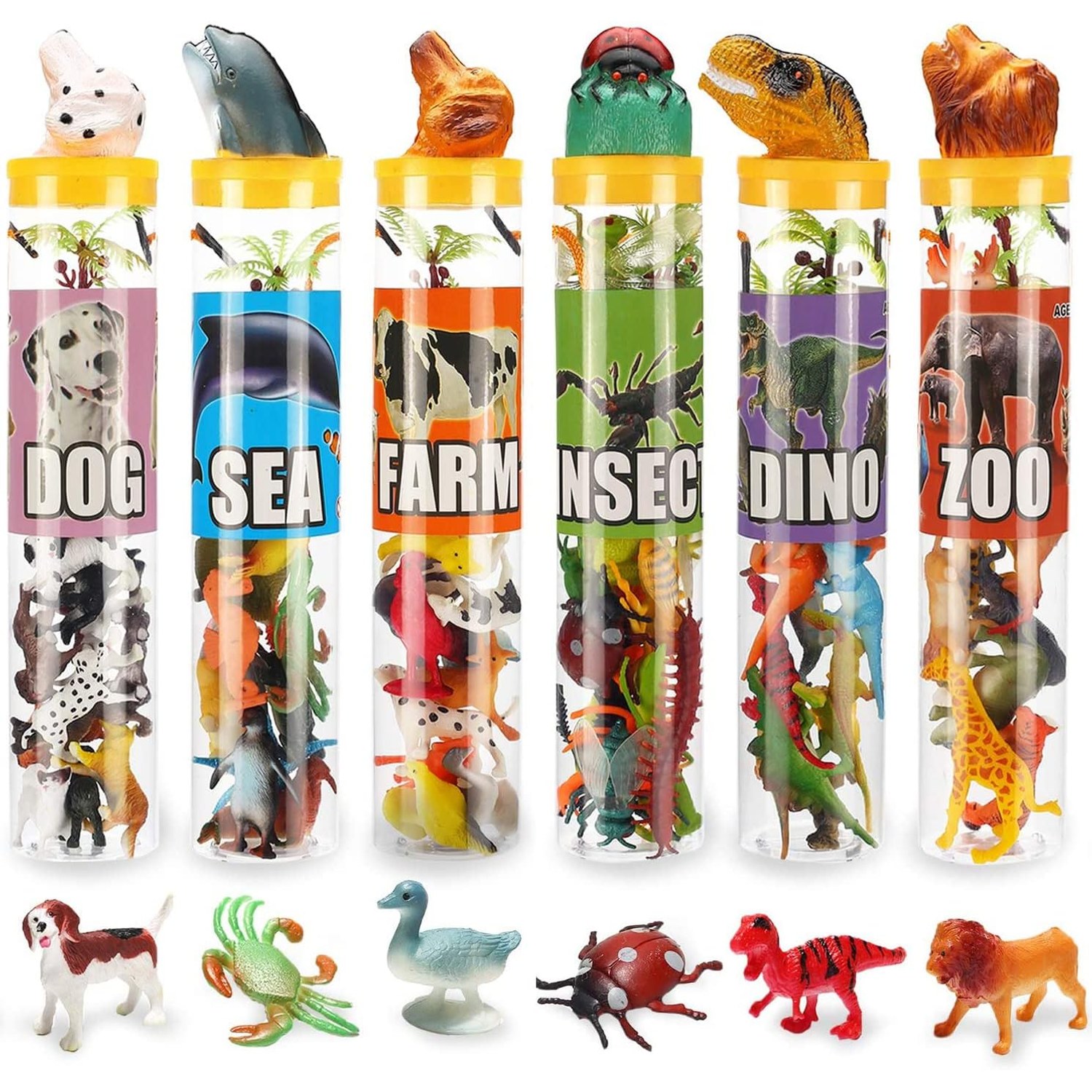
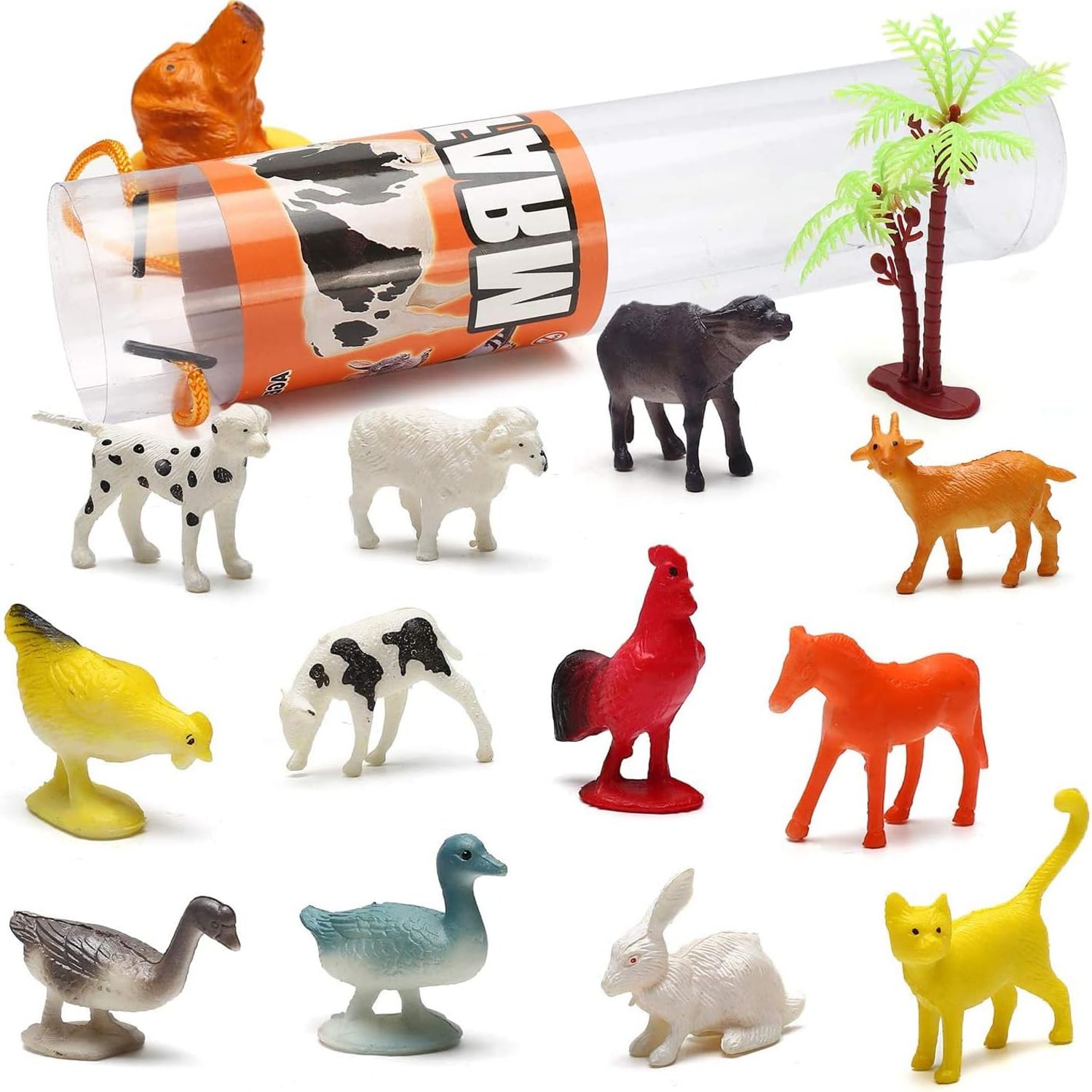
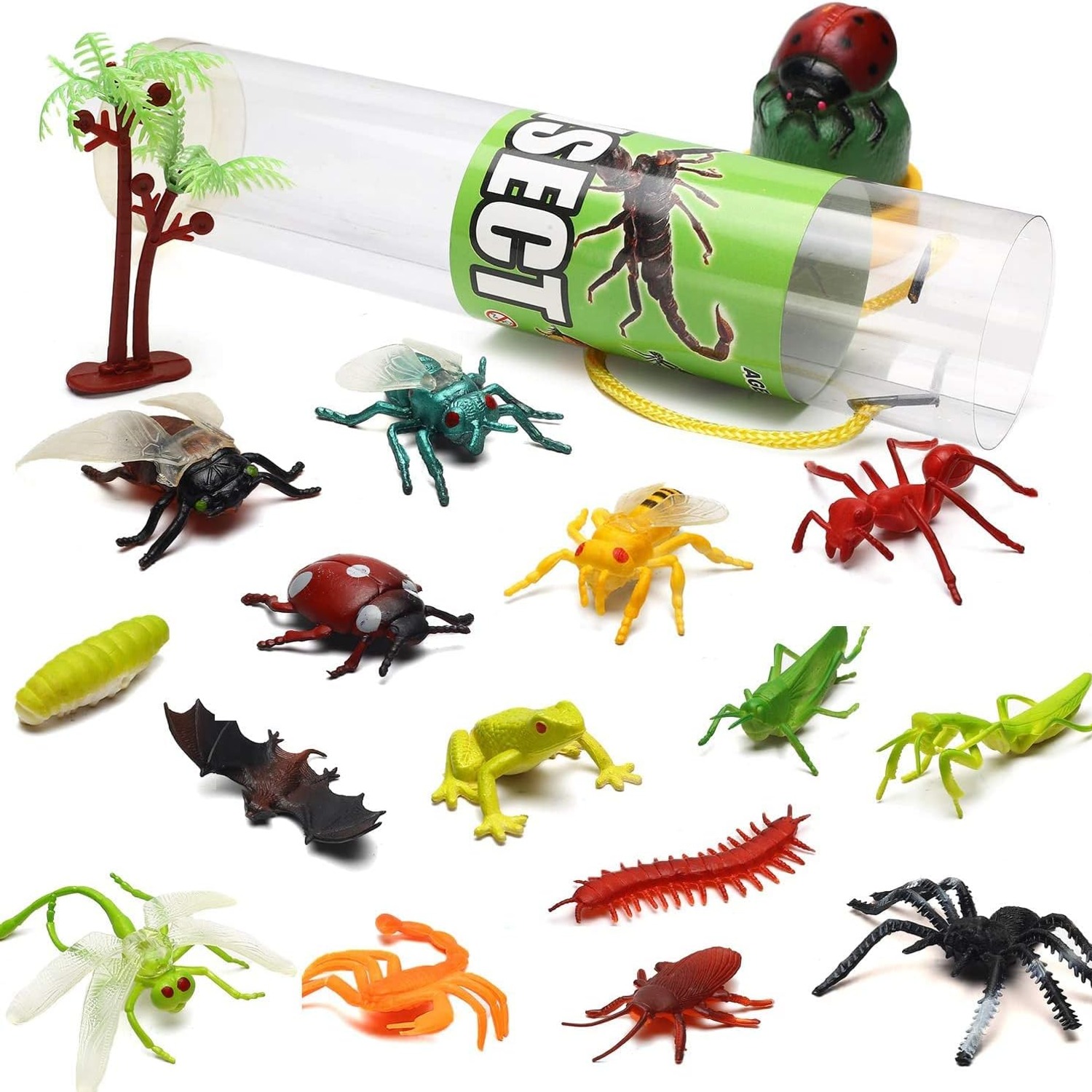
That is the quiet reason a set with its own containers tends to last longer. When tidying up is a thirty second job rather than a floor crawl, it actually happens. And when it actually happens, the toy comes back out again. This 82 piece mini animal figures set is built around that idea, with six separate screw-top tubes sorted by theme.
What you are getting
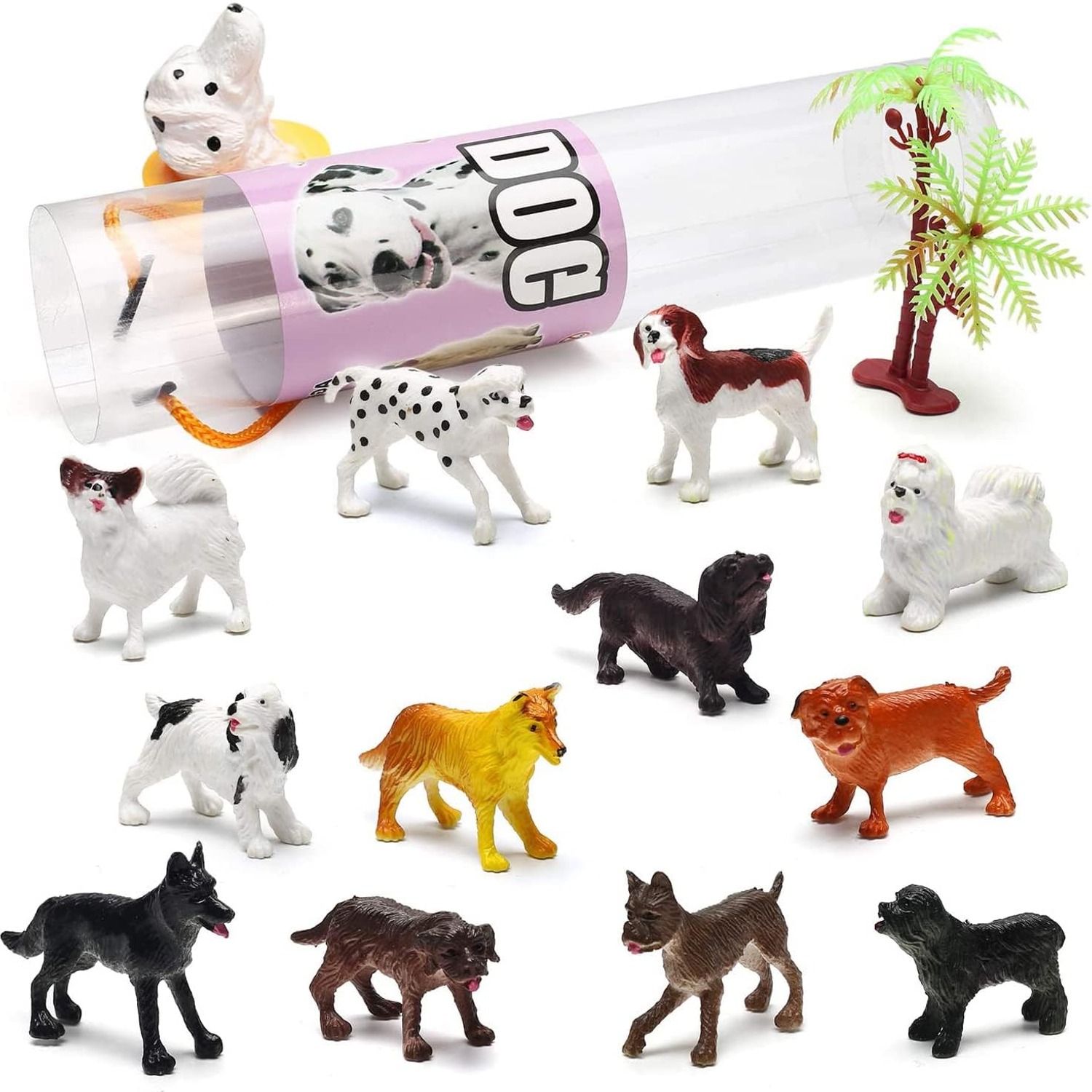
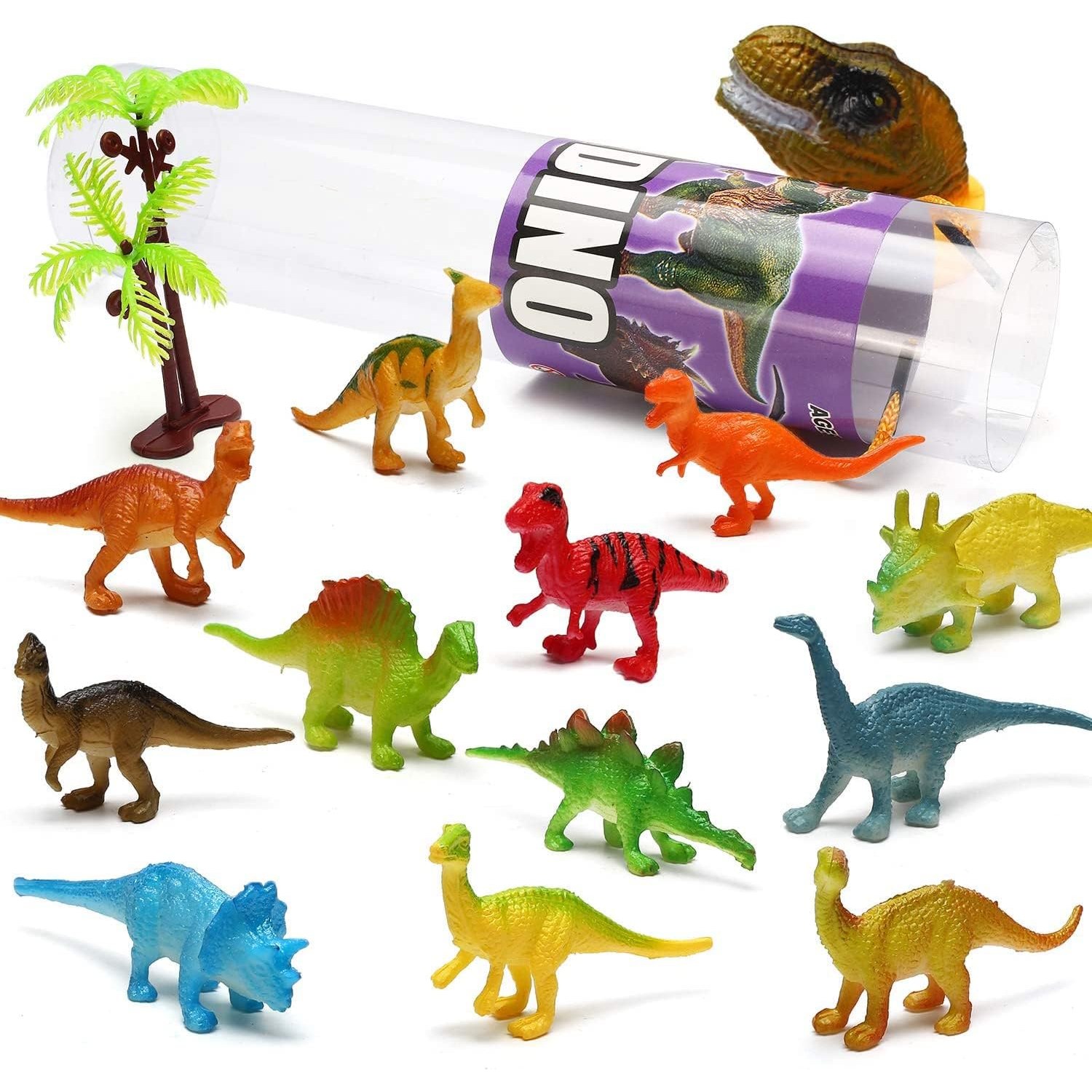
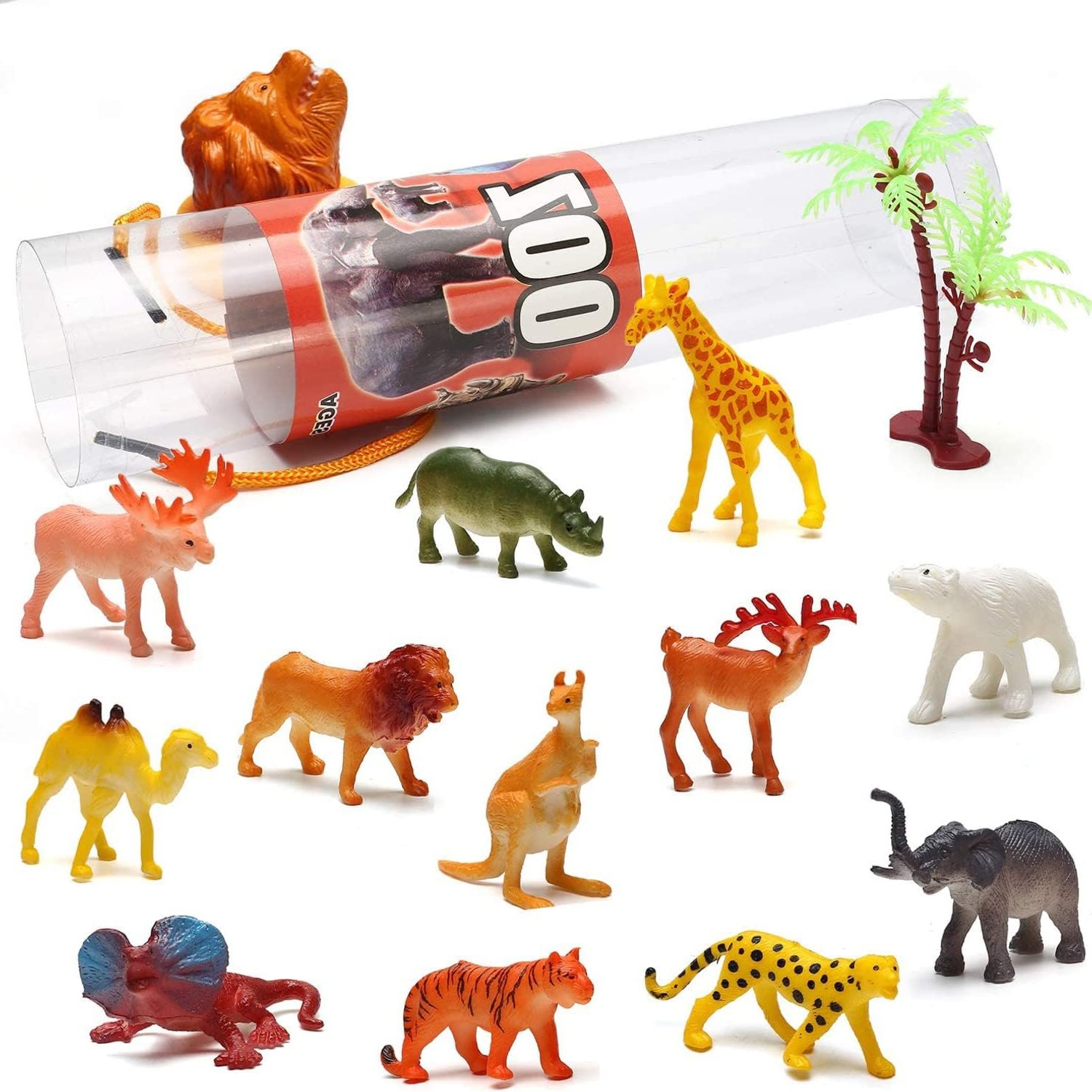
Eighty-two miniature plastic figures, divided across six groups: insects, dinosaurs, sea creatures, farm animals, jungle animals and dogs. Each group lives in its own tube, and each lid carries an animal design so a child can see at a glance what is inside.
The figures are moulded plastic with a glossy finish, listed in a natural colour range. There are no batteries, no moving parts and no assembly. The whole set weighs 0.87 kg, and each tube measures 5.1 x 5.1 x 2.5 cm. That is small enough to drop into a bag for a long car journey or a restaurant meal, which is where a quiet toy earns its money.
The manufacturer recommends ages 3 and up, with a minimum of 36 months. That is a small parts guideline, not a difficulty rating, and it should be followed strictly for younger siblings in the house.
Why six themes beats one
A single theme set looks focused, and if your child is deep in a dinosaur phase it can feel like the obvious buy. The trouble is that phases move. Six months later the dinosaurs are shelved and the sharks have taken over.
A mixed set like this covers more ground. The dinosaur tube satisfies the current obsession, and the other five are waiting when the interest shifts. More usefully, mixing the groups is where the better play happens. A child who sets up a farm, then sends a tyrannosaurus into it, then has a golden retriever rescue the sheep, is doing something far more interesting than lining up twelve identical dinosaurs. The best small animal figure set is the one that gives a child enough variety to invent with.
Who this suits
Preschoolers get the most obvious benefit. Sorting six clear categories, counting out a tube, matching big to small, naming animals they half recognise: all of that comes naturally from the box without an adult setting it up.
School age children tend to use the figures differently. Dioramas, habitat projects, shoebox scenes, stop motion videos and model railway scenery all call for small realistic animals. The miniature scale works well there.
Teachers and childminders are the third group. Six tubes means six stations or six small groups, and a tube of figures makes a practical classroom reward without being junk. The best classroom reward toys are small, reusable and not noisy, and these tick all three.
Parents planning parties are the fourth. With 82 pieces you can fill a lot of bags, load a pinata, or decorate a cake table. More on that shortly.
How to choose between sets like this
Count the themes, not just the pieces. A hundred piece set that is all one animal type gives you less play than eighty-two spread across six habitats. Variety drives longer use.
Check the storage. Loose bags fail. Tubes with screw lids, labelled by theme, survive. If a set does not tell you how the pieces are stored, assume you will be supplying the storage yourself.
Look at the age guidance. Miniature figures carry a 3 and up rating for a reason. If you have a baby or an active preschooler in the house, you need somewhere high and closed to keep the tubes, or you should wait.
Think about where it will be used. Floor play, table play, sand, water and cake decorating all ask slightly different things of a figure. Solid plastic with a glossy finish handles all of them reasonably well, which is why this type of set shows up in so many different situations.
Decide if you want detail or durability. Highly detailed collector figures look wonderful and chip. Simple moulded figures look fine and survive. For general children's play, the second type wins.
Getting the most out of them
Sorting is the obvious starting point, and it is worth doing properly. Tip two tubes onto a tray and ask a child to put them back in the right homes. That is a genuine thinking task dressed up as a game.
Sensory bins are the next step. Bury the figures in dried rice, pasta or sand and let a child dig them out with a scoop. Water beads work too. Rinse and dry everything afterwards so grit does not dull the finish.
Counting and maths come easily. Twelve of something is a useful number for grouping in twos, threes, fours and sixes. Ask how many legs are on the table and you have an accidental multiplication lesson.
Small world scenes are where the figures stay interesting longest. A baking tray of soil, a few sticks, a saucer of water and a jungle tube turns into an afternoon. Add blocks and the scene gets bigger.
Cake and party use is simple but needs a bit of care. Wash and dry the figures first, sit them on the icing rather than pushing them in, and take them off before anyone young is served a slice. Used that way they make a cheap cake topper that gets kept afterwards.
Care and storage
The maintenance here is almost nothing, which is part of the appeal. Wipe the figures with a damp cloth and a little mild soap, then dry them fully before they go back in the tubes. For a whole tube, warm soapy water and a towel is quicker.
Skip the dishwasher. Dishwasher use is not specified for this set, and the heat can warp or cloud small plastic items. Keep the tubes away from radiators and sunny windowsills for the same reason.
After sand or water play, give everything a rinse. Sand is abrasive and will slowly take the shine off a glossy finish if you leave it on.
The storage habit matters more than the cleaning. Screw the lids back on, line the six tubes up on a shelf, and the set stays a set. Leave them open on the floor and you are back to finding a plastic cow behind the sofa.
A note on safety
Small figures and young children need adult judgement. The 3 and up rating reflects a choking hazard, and that risk does not go away because an older sibling is being careful. Store the tubes out of reach of children under 3, and supervise mixed age play.
Keep them away from pets too. A dog that finds a tube of miniature animals will not treat them as toys to admire.
The short version
This is a well organised, no fuss animal figure set. Eighty-two plastic figures, six themes, six reusable tubes with screw lids, no batteries and no assembly. It suits ages 3 and up, works for sorting, counting, small world play, sensory bins, party bags and cake decorating, and it packs away in seconds.
If you want a single highly detailed collector dinosaur, this is not it. If you want a broad, practical collection that a child will come back to across several different phases of interest, and that you can actually tidy away, it does that job well.